

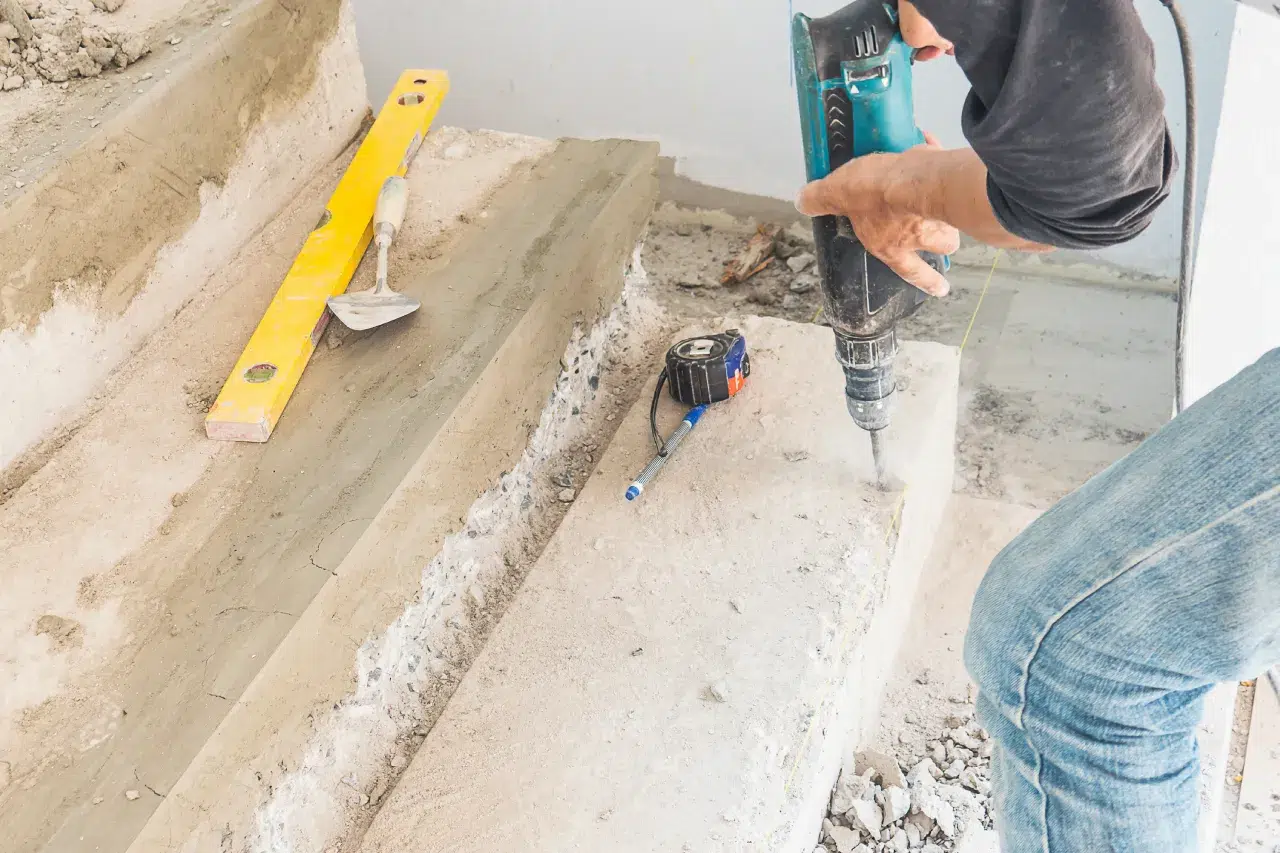
A sunken concrete slab can turn an otherwise usable area into a frustrating and potentially unsafe part of your property. A driveway may develop an uneven transition, a walkway can become a trip hazard, or a patio may begin holding water after rainfall. When these problems appear, searching for slab jacking near me can help property owners find a practical alternative to removing and replacing the entire concrete surface.
Robbins Foundation Systems provides slab jacking and concrete stabilization services designed to restore settled slabs while addressing the conditions that contributed to the movement.
What Causes a Concrete Slab to Sink?
Concrete itself is usually not the reason a slab settles. The problem often develops because the soil underneath can no longer provide uniform support.
Possible causes include:
- Soil erosion caused by water
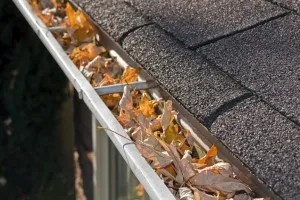
- Poor drainage
- Inadequate soil compaction
- Changes in soil moisture
- Voids forming beneath the slab
- Natural settlement over time
Once a void develops beneath part of a slab, the unsupported section can gradually drop.
Which Concrete Surfaces Can Be Lifted?
Slab jacking can be considered for a variety of concrete surfaces, depending on their condition and the reason for settlement.
Common applications include:
- Driveways
- Sidewalks
- Walkways
- Patios
- Garage floors
- Other concrete slabs
The existing concrete needs to be evaluated before determining whether lifting is appropriate. Severely deteriorated or extensively broken concrete may require a different approach.
How Does Slab Jacking Work?
Slab jacking lifts settled concrete by injecting a suitable material beneath the slab to fill voids and provide additional support.
The process generally involves several stages.
- Evaluate the Slab – The condition of the concrete and the extent of settlement are assessed before work begins.
- Locate Injection Points – Small access holes are strategically positioned in the slab.
- Fill the Voids – Material is injected beneath the concrete to occupy empty spaces and provide support.
- Lift the Slab – The slab is gradually raised toward the desired position using controlled pressure.
- Seal the Access Points – Once the concrete has been stabilized, the injection openings are sealed.
This approach can restore an existing surface without the demolition associated with complete replacement.
Is Slab Jacking Better Than Replacing Concrete?
The right choice depends on the condition of the slab. If the concrete remains structurally suitable for lifting, slab jacking can offer several advantages over replacement.
Potential benefits include:
- Less demolition
- Faster project completion
- Reduced disruption
- Lower material waste
- Preservation of existing concrete
- Restoration of proper surface levels
However, slab jacking is not suitable for every situation. A professional evaluation is the best way to determine whether the existing slab can be successfully lifted.
What Problems Can a Sunken Slab Cause?
An uneven slab can affect more than appearance. Changes in elevation may create practical problems around the property.
For example, settlement can contribute to:
- Trip hazards
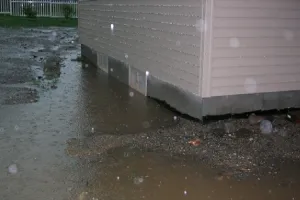
- Water pooling
- Poor drainage
- Difficult vehicle access
- Gaps between adjoining surfaces
- Further deterioration around the slab
Correcting settlement can therefore improve both safety and functionality.
Slab Jacking Services From Robbins Foundation Systems
Robbins Foundation Systems provides concrete lifting and stabilization solutions based on the specific conditions of each project.
Their team considers factors such as:
- The amount of settlement
- Condition of the concrete
- Soil support beneath the slab
- Drainage around the area
- The intended use of the surface
This helps determine whether slab jacking is an appropriate repair option and how the work should be approached.
When Should You Contact a Slab Jacking Professional?
It is generally better to evaluate a settling slab before the problem becomes severe. Consider seeking professional assistance when you notice:
- A noticeable slope developing
- Increasing gaps beneath concrete
- Water collecting in one section
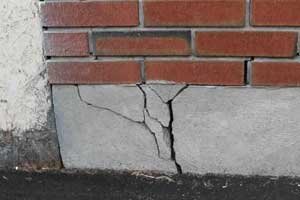
- Cracks associated with settlement
- A walkway becoming difficult or unsafe to use
Early evaluation can help determine whether lifting the slab is still a practical option.
Frequently Asked Questions
Q. How long does slab jacking take?
Project duration depends on the size and condition of the affected area. Many residential slab lifting projects can be completed relatively quickly compared with complete concrete replacement.
Q. Can cracked concrete be slab jacked?
It depends on the severity and pattern of the cracking. A professional should inspect the slab before determining whether lifting is appropriate.
Q. Does slab jacking fix the soil problem?
Slab jacking fills voids and provides support beneath the slab, but the underlying cause of settlement should also be considered when planning a long-term solution.
Q. Is slab jacking less disruptive than concrete replacement?
Generally, yes. Because the existing slab is retained, the process can involve considerably less demolition and disturbance than removing and replacing the concrete.
A Practical Alternative to Concrete Replacement
Searching for slab jacking near me often means you already know that your concrete has moved but are looking for a way to correct it without starting over. Slab jacking can provide a practical solution when the existing concrete remains suitable for rehabilitation.
Robbins Foundation Systems evaluates the condition of the slab and the factors contributing to settlement before recommending an appropriate repair strategy. The result is a more informed approach to restoring concrete surfaces and protecting their long-term usability.