

When a property begins showing unexplained cracks, uneven floors, or changes around doors and windows, searching for foundation repair near me is often the first step toward understanding what is happening. Foundation concerns can be difficult to diagnose from visible symptoms alone because the actual cause may be beneath the structure.
A foundation may be affected by soil movement, drainage issues, erosion, settlement, or other environmental conditions. Robbins Foundation Systems helps property owners investigate these concerns and determine whether professional foundation repair or stabilization is necessary.
What Are the First Signs of Foundation Problems?
Foundation problems do not always begin with dramatic structural damage. In many cases, the earliest clues are subtle changes that gradually become more noticeable.
Property owners should pay attention to:
- Cracks that continue to expand
- Floors that feel uneven
- Doors or windows becoming difficult to operate
- Gaps around trim or frames
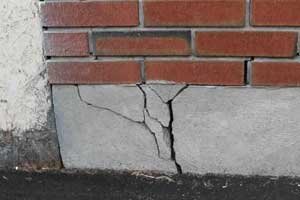
- Exterior cracks in masonry or foundation walls
- Areas of the structure that appear to be settling
One isolated symptom does not necessarily mean the foundation has failed. However, several signs occurring together deserve professional attention.
Why Do Foundations Settle or Move?
A foundation depends on the ground beneath it for support. Changes in that supporting soil can affect how evenly the structure is supported.
Potential contributing factors include:
- Soil Moisture Changes – Soil can change in volume or strength as moisture conditions fluctuate.
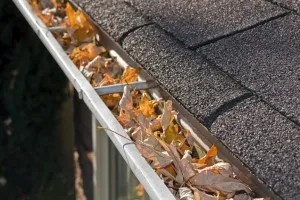
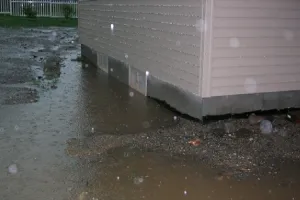
- Drainage Problems – Water accumulating around a foundation can alter surrounding soil conditions and contribute to erosion.
- Poor Soil Compaction – If soil was not properly compacted before construction, settlement may occur as the ground adjusts over time.
- Erosion – Water can gradually remove soil from beneath or around portions of a foundation.
- Natural Settlement – Some settlement can occur as a property ages, although significant or uneven movement should be investigated.
What Happens During a Foundation Evaluation?
A professional foundation evaluation is intended to determine whether the visible symptoms are related to structural movement and what may be causing that movement.
The assessment may involve examining:
- Foundation walls
- Floor levels
- Cracks and their patterns
- Exterior grading
- Drainage conditions
- Soil-related concerns
- Structural alignment
The objective is to understand the why, rather than simply repairing the most visible crack.
Does Every Foundation Problem Require Major Repair?
No. Foundation concerns can vary significantly in severity.
Some cracks may require monitoring or minor maintenance, while other conditions may indicate ongoing settlement that needs stabilization. The appropriate response depends on the cause, location, size, progression, and effect of the movement.
Possible recommendations may include:
- Monitoring
- Crack repair
- Drainage improvements
- Concrete stabilization
- Foundation support systems
- Structural repair
A professional assessment helps property owners avoid both ignoring a genuine problem and undertaking unnecessary work.
Foundation Repair Services From Robbins Foundation Systems
Robbins Foundation Systems provides foundation evaluation and repair solutions based on the specific conditions affecting a property.
Depending on the findings, services may involve:
- Foundation stabilization
- Settlement correction
- Structural support
- Concrete and slab stabilization
- Drainage-related improvements
Rather than applying the same repair method to every property, the focus is on matching the solution to the underlying issue.
Why Early Foundation Evaluation Can Be Valuable
Waiting until foundation symptoms become severe can make a repair more complicated. Early evaluation gives property owners a clearer understanding of what is happening and whether action is necessary.
Addressing a developing problem can help:
- Prevent continued structural movement
- Protect surrounding building components
- Reduce the likelihood of more extensive repairs
- Maintain property value
- Provide greater peace of mind
An inspection does not automatically mean that major repair work is required. It provides information that allows a homeowner to make a better-informed decision.
When Should You Search for Foundation Repair Near Me?
Consider contacting a foundation professional when you notice changes that appear to be progressing rather than remaining stable.
A professional assessment is particularly worthwhile when:
- Cracks are getting wider
- Floors are noticeably sloping
- Doors or windows suddenly shift
- Exterior foundation damage is visible
- Water and foundation problems are occurring together
- Previous repairs appear to be failing
These conditions may indicate that the underlying cause needs to be addressed.
Frequently Asked Questions
Q. How do I know if I need foundation repair?
Persistent or worsening cracks, uneven floors, sticking doors, and visible settlement can indicate a foundation issue that deserves professional evaluation.
Q. Can drainage problems cause foundation damage?
Yes. Excess water can affect soil conditions, contribute to erosion, and increase moisture exposure around a foundation.
Q. Is foundation repair always expensive?
Not necessarily. The cost depends on the nature and extent of the problem. Early evaluation may help prevent a relatively manageable issue from developing into a larger repair.
Q. Should I repair foundation cracks myself?
Minor cosmetic cracks may sometimes be addressed with routine maintenance, but cracks associated with settlement or structural movement should be evaluated by a qualified professional.
Protecting the Foundation Beneath Your Property
Searching for foundation repair near me should not simply be about finding someone to patch a crack. The more important question is whether something is causing the foundation to move and what can be done about it.
Robbins Foundation Systems focuses on evaluating the underlying conditions and developing appropriate repair or stabilization strategies. For property owners concerned about settlement, structural movement, or related drainage issues, understanding the cause is the first step toward protecting the property for the long term.